

How a SAP Partner Company Can Streamline Your Editing Software Workflows
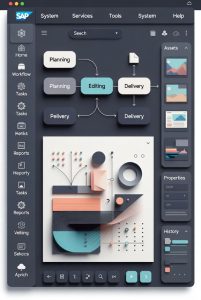 Large editing teams lose hours every week to version confusion, missed handoffs, and unclear project ownership. As content volumes rise across video, audio, and digital media, studios need systems that manage more than files. They need structure, visibility, and speed across every stage of production.
This is where a SAP partner company adds real value to editing software environments. By connecting creative tools with SAP ERP and cloud platforms, companies like Accely help teams manage projects, resources, and collaboration from one shared system. Editors spend less time chasing updates and more time producing finished work.
Why Editing Workflows Break Under Scale
Most editing software is designed for creativity, not operations. If you want to explore different tools and approaches to optimizing your editing setup, see software for editing and transforming your digital footprint. Timelines, asset libraries, and effects tools work well for individuals or small teams. Problems appear when dozens of editors, producers, and clients work in parallel.
Common issues include unclear task ownership, delayed approvals, and poor visibility into project status. Resource planning often lives in spreadsheets, while budgets sit in separate systems. This fragmentation slows delivery and increases the risk of errors.
SAP ERP platforms address these gaps by acting as a central source of truth. When connected properly, they bring order to creative chaos without limiting artistic freedom.
How SAP ERP Supports Editing Software Pipelines
SAP ERP systems are built to manage complex workflows at scale. When integrated with editing tools, they help studios track projects from intake to final delivery.
- Project timelines stay aligned with real workloads and deadlines.
- Assets are linked to specific tasks, clients, and approvals.
- Budgets update in real time as work progresses.
- Managers gain visibility into bottlenecks before delays occur.
This structure allows editing teams to plan better and respond faster. Instead of reacting to problems, they prevent them.
Real-Time Collaboration Without the Noise
Collaboration is essential in modern editing environments, but too many tools can slow teams down. Messages, comments, and file versions spread across platforms create confusion.
With SAP cloud solutions, collaboration becomes part of the workflow. Editors, producers, and reviewers work from shared dashboards that reflect the latest status. Feedback ties directly to tasks, assets, and deadlines.
This approach reduces email traffic and removes guesswork. Everyone sees what needs attention and who owns the next step.
Resource Planning That Matches Creative Reality
Editing work is unpredictable. A simple cut can turn into a full rework, and urgent client requests can derail schedules. Traditional planning tools struggle with this reality.
SAP resource management tools adapt better to creative workflows. They show who is available, what skills are needed, and how changes affect delivery dates. When priorities shift, managers can rebalance workloads quickly.
Studios that work with an experienced SAP partner company benefit from configurations tailored to media production, rather than generic enterprise setups.
Smoother Implementations With Certified Expertise
ERP projects fail when they ignore how people actually work. Editing teams resist systems that feel rigid or disconnected from their tools.
Certified SAP providers like Accely focus on alignment. They map real workflows, integrate existing editing software, and train teams gradually. This reduces disruption and improves adoption.
The result is a system that supports creativity instead of slowing it down.
Building Faster, Clearer, and Scalable Editing Operations
Editing teams face growing pressure to deliver more content in less time. Technology alone does not solve this problem. The right integration strategy does.
By working with a trusted SAP partner company, studios can connect creative tools with enterprise-grade systems that improve clarity, collaboration, and control. The payoff shows in shorter turnaround times, fewer errors, and calmer production cycles.
Efficiency becomes part of the workflow, not an afterthought.